
Mustang Facts
What you should know
1. What Defines a True Mustang
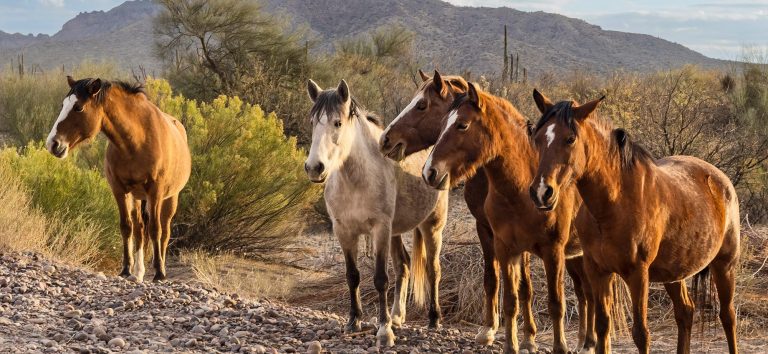
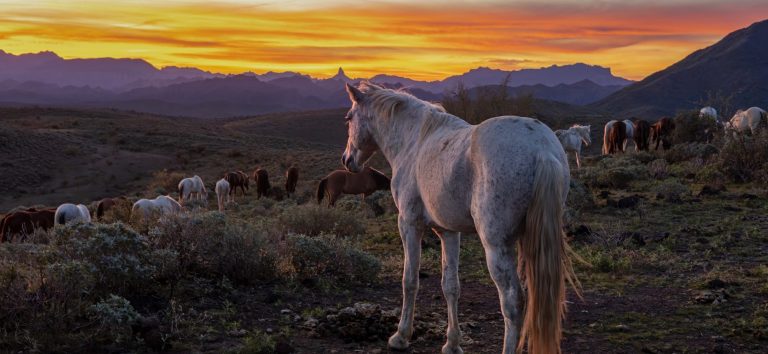
Wild horses, commonly known as Mustangs, are not a breed but free-roaming horses found throughout North America. Their ancestors were brought to the Americas by Spanish explorers over 500 years ago. Over time, escaped and released horses adapted to life in the wild, developing into the hardy, intelligent, and resilient Mustangs we know today.
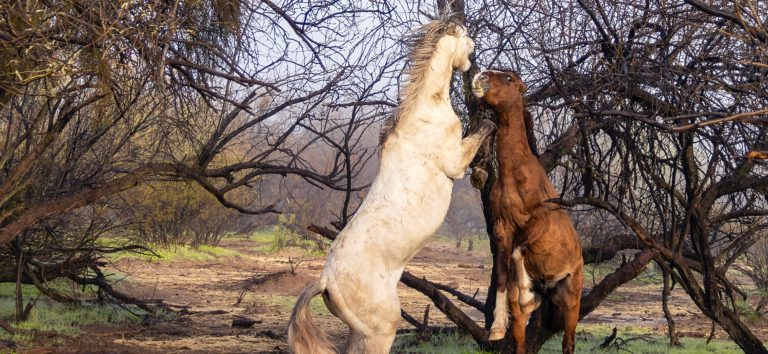
In the wild, the pairing of horses is not determined by human studbooks, but by competing stallions fighting for their bands. Harsh living conditions ruthlessly eliminate weakness. Only the strongest individuals - those with sound legs, extreme endurance, and robust health - survive to pass on their genetics.
Wild horses may appear plain at first glance, but in reality, they are among the finest horses in the world. The wilderness gave them no alternative. What emerged from this unforgiving environment are horses possessing remarkable intelligence, endurance, resilience, and instinct.
Wild horses are uniquely shaped through intact herd structures and highly functional social hierarchies. Their extraordinary intelligence develops because their senses are challenged from the very first day of life - they must constantly make critical decisions to survive. Their physical endurance is built through continuous daily movement and foraging, often across many miles of difficult, unforgiving terrain.
The moment a horse is bred and raised in human captivity, this brutal yet brilliant process of natural selection is interrupted.
Wild Mustangs that reach their third year of life in the wild are more than resilient - they are true survivors. Having lived freely in North America's rugged landscapes, they have developed exceptional health, sure-footedness, strong social skills, and remarkable adaptability.
Bringing a Mustang into your life, however, does not mean they are automatically prepared for domestication. Their natural flight instinct remains highly developed, and they need time, patience, and understanding to build trust. Nor are they immune to the challenges of modern horse management. Many of the health problems seen in domestic horses are influenced by the environments we create for them.
A Mustang thrives when its natural needs are respected: living in a stable herd, having plenty of space to move, daily exercise, high-quality hay, fresh water, and a healthy environment with minimal exposure to pesticides, pollution, and unnecessary stress. By providing conditions that closely reflect their natural way of life, we give these extraordinary horses the best opportunity to remain healthy, balanced, and happy.
Sadly, the little foal you see in the picture further below did not survive its third month.
Step by Step guide to buy a real American Mustang
1
Mustang Facts
2
Mustang vs Wildie
3
Ride the Brand
4
FAQ
5
Inquiry
6
Consulting